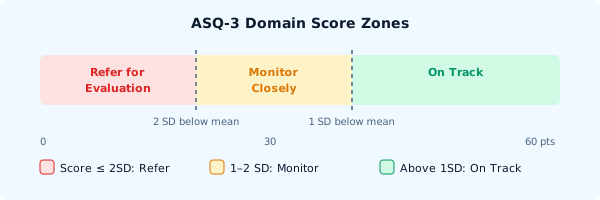
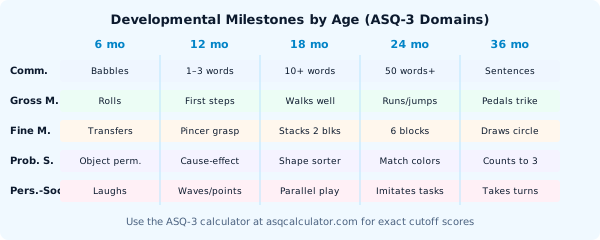
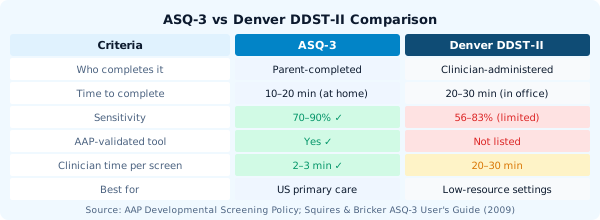
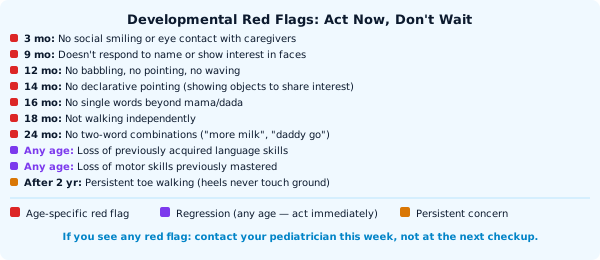
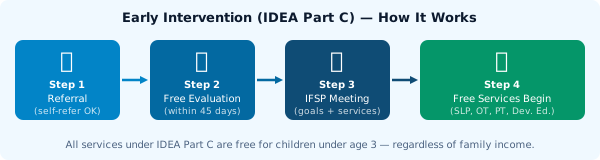
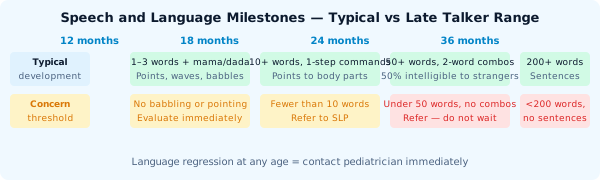
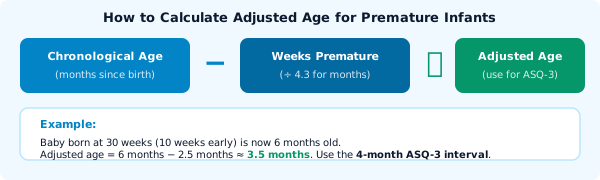
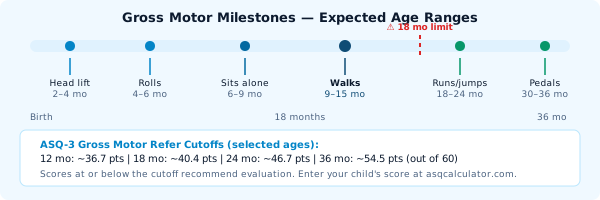
Home/Blog/Pediatric ScreeningAll articlesTopicPediatric Screening12 articles in this topicpediatric screeningMar 31, 2026How to Interpret ASQ-3 Scores: A Parent's GuideLearn what ASQ-3 scores mean, On Track, Monitor Closely, and Refer, and what to do next after each result.Read articlepediatric screeningMar 31, 2026Developmental Milestones by Age: 6 to 36 MonthsA practical guide to what children typically do at 6, 12, 18, 24, and 36 months, with ASQ-3 scoring tips at each stage.Read morepediatric screeningMar 31, 2026ASQ-3 vs Denver Developmental Screening: Key DifferencesComparing ASQ-3 and the Denver Developmental Screening Test, accuracy, administration, and which tool fits which setting.Read morepediatric screeningMar 31, 202610 Developmental Red Flags Every Parent Should KnowThese 10 developmental red flags in children warrant immediate attention, not watchful waiting. Know when to call your pediatrician now.Read morepediatric screeningMar 31, 2026What Is Early Intervention? A Guide for Parents After a ReferralEverything parents need to know about IDEA Part C early intervention, eligibility, what to expect, and how to access free services after a developmental screening referral.Read morepediatric screeningMar 31, 2026Speech Delay in Toddlers: When to Worry and What to DoUnderstanding speech delay in toddlers, what counts as a delay, what causes it, and when watchful waiting becomes risky.Read morepediatric screeningMar 31, 2026Developmental Screening for Premature Babies: Adjusted Age ExplainedHow adjusted age works for premature infants on the ASQ-3, when to stop correcting, and what NICU graduates need from developmental screening.Read morepediatric screeningMar 31, 2026Gross Motor Delays in Children: Signs, Causes, and TherapiesWhat gross motor delays look like at different ages, what causes them, and how physical therapy and early intervention can help.Read morepediatric screeningMar 31, 2026Fine Motor Skills in Toddlers: Activities to Build DexterityHow fine motor skills develop in toddlers, what delays look like on the ASQ-3, and 15 evidence-based activities to build hand and finger strength at home.Read morepediatric screeningMar 31, 2026Using the ASQ-3 with Bilingual Children: What to KnowHow to accurately score the ASQ-3 Communication domain for bilingual toddlers, avoiding false positives while not missing real delays.Read morepediatric screeningMar 31, 2026Problem Solving in Toddlers: What the ASQ-3 Measures and WhyThe ASQ-3 Problem Solving domain measures cognitive development through play, here's what it tracks, what delays mean, and how to support early thinking skills.Read morepediatric screeningMar 31, 2026Personal-Social Development: What the ASQ-3 Looks for and WhyThe ASQ-3 Personal-Social domain tracks social-emotional development, how children engage with people and manage daily tasks. Here's what's normal, what's concerning, and what to do.Read more